Preservation Rhinoplasty & Structural Asian Rhinoplasty: Modern Precision in Fairfax
- Dorsal preservation reshapes a nasal hump from underneath the bridge rather than shaving open the nasal roof, preserving smooth natural dorsal aesthetic lines.
- In Asian and ethnic rhinoplasty, structural support using autologous cartilage (septal, ear, or rib) builds lasting tip projection while honoring cultural identity.
- Every rhinoplasty performed by Dr. Kim integrates functional airway mechanics (internal nasal valve support and septoplasty) with external harmony.
Rhinoplasty is widely regarded as the most intricate procedure in facial plastic surgery because millimeter-level adjustments dictate both facial harmony and lifelong nasal breathing. In Northern Virginia's diverse community, achieving natural, enduring results requires mastery of two modern philosophies: Dorsal Preservation and Structural Autologous Grafting.
Dorsal Preservation vs. Traditional Hump Resection
Historically, reducing a dorsal hump meant rasping or cutting away the bone and cartilage roof of the nose (creates an 'open roof' deformity) and then fracturing the nasal bones inward to close the gap. Over decades, this could lead to surface irregularities, inverted-V shadows, or narrowing of the internal nasal airway.
With modern Dorsal Preservation Rhinoplasty, Dr. Jae Kim removes a precise strip of septum and bone beneath the bridge and gently lowers the intact nasal dorsum as a single smooth unit. The patient's natural dorsal aesthetic lines and perichondrial envelope remain completely undisturbed.
Structural Artistry in Asian Rhinoplasty
For patients seeking Asian rhinoplasty, the anatomical starting point is frequently characterized by thicker sebaceous skin, softer lower lateral cartilages, and a lower nasal bridge. Rather than aggressive reduction, the surgical objective is refined structural definition and projection that remains in proportion with the eyes, cheeks, and chin.
- Autologous Cartilage Architecture: Using the patient's own septal, auricular (ear), or costal (rib) cartilage avoids the extrusion and infection risks associated with synthetic silicone or Gore-Tex implants.
- Septal Extension & Tip Support: A custom-carved septal extension graft provides a strong yet flexible foundation that defines the nasal tip through thicker skin without looking artificial or pinched.
- Functional Airway Optimization: Because Dr. Kim is board-certified in both Facial Plastic Surgery and Otolaryngology–Head & Neck Surgery, every cosmetic refinement simultaneously reinforces the internal and external nasal valves for effortless breathing.
Frequently Asked Clinical Questions
Why does Dr. Kim prefer autologous cartilage over synthetic nasal implants?
Autologous tissue (your own cartilage) integrates permanently with your natural blood supply, eliminating long-term risks of implant shifting, skin thinning, capsule contracture, or late infection.
How long does swelling last after structural rhinoplasty?
Your nasal splint is removed at 1 week, and 70% of noticeable swelling resolves within the first 4–6 weeks. Subtle tip refinement continues to mature over 9 to 12 months.
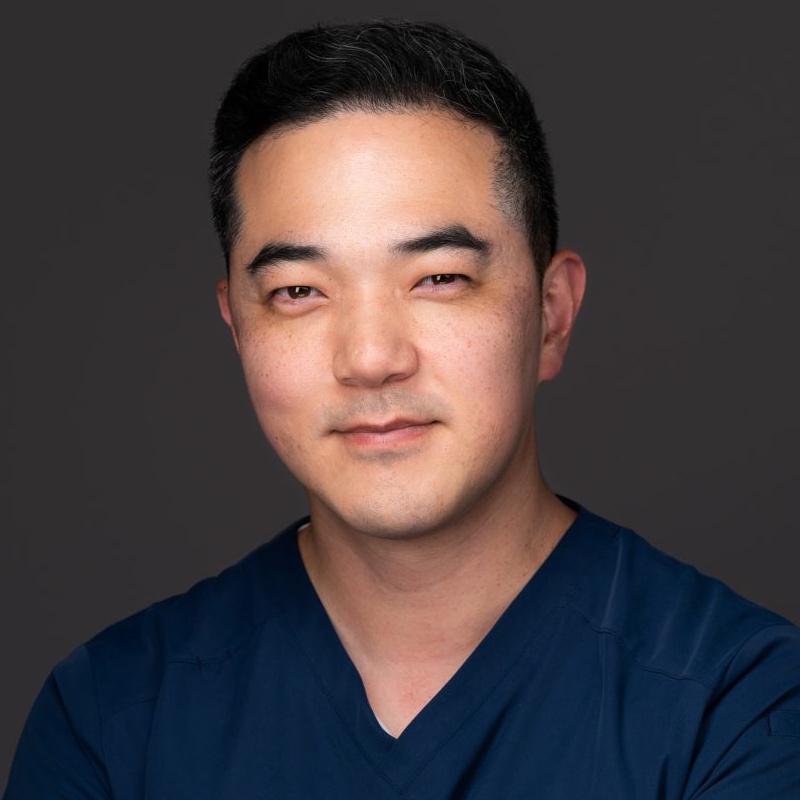
Dr. Jae Kim, MD, FACS
Dr. Jae Kim is double board-certified in Facial Plastic & Reconstructive Surgery and Otolaryngology–Head & Neck Surgery. Educated at Harvard University and fellowship-trained in advanced facial plastic surgery, he specializes exclusively in surgery of the face, head, and neck alongside the YAB Aesthetics clinical team in Fairfax, Virginia.